Some kids need a little help getting through a dental visit. Dr. Mizani offers nitrous oxide for gentle relaxation and deeper sedation for children who need more. Many children do fine without any of it. If yours needs support, we'll find the right level after an exam, and we'll never push it.
Your child breathes a gas and oxygen mix through a small mask, stays awake, and feels relaxed and floaty. It wears off quickly and doesn't numb pain, so we still numb the area when needed. Learn more about nitrous oxide for kids.
For children with extreme anxiety or very young age, when nitrous oxide isn't enough. Your child is deeply sedated, not awake, during treatment. Dr. Mizani recommends it only after an exam and health history review.
Nitrous oxide: Effects fade within minutes after the mask comes off. Most kids return to normal activities soon after.
Deep sedation (IV/general anesthesia): Expect sleepiness for hours. Plan a quiet day and keep an adult with your child. Start with small sips and soft foods, and avoid climbing, biking, or rough play until your child is fully alert.
Rest, diet, and supervision: Rest, soft foods, and close supervision until your child is back to normal. We'll give you clear aftercare instructions for your child's treatment.
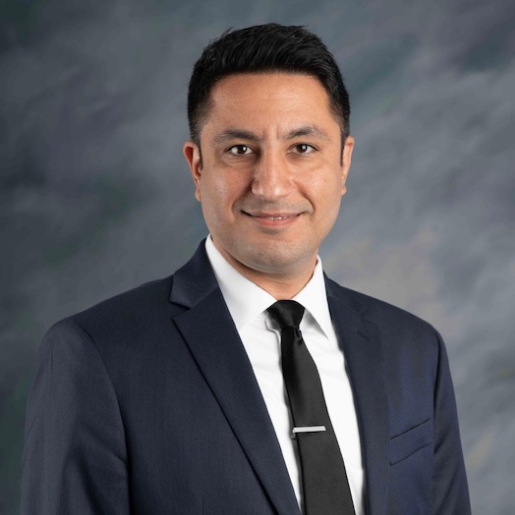
Dr. Houman Mizani is a pediatric dentist, a specialist in children's mouths. His Tustin office is boutique: one patient at a time, and open since 2009. He explains every step and only recommends what your child needs.
Nitrous oxide (laughing gas), where your child stays awake and relaxed, and deep sedation (IV/general anesthesia) for children with extreme anxiety or very young age. Dr. Mizani recommends the option after an exam and health history review. Nitrous oxide is the gentler choice, and deeper sedation is for when it isn't enough.
All sedation carries some risk, and safety depends on the right child, the right option, and careful monitoring. AAP and AAPD guidelines set the standards, including health history review, monitoring, and trained staff. Dr. Mizani weighs risks and benefits for your child before recommending anything. Sedation is never automatic.
It depends on the option. With nitrous oxide, your child is awake, relaxed, and responsive. With deep sedation or general anesthesia, your child is not awake during treatment. Dr. Mizani explains which level he recommends and why before you decide, so you know what to expect.
Share your child's health history, medications, and allergies. Deeper sedation typically requires fasting beforehand, so you'll get specific eating and drinking instructions for your child's visit. For nitrous oxide, ask us whether to adjust meals. Dress your child in comfortable clothes, and bring a favorite comfort item.
Often, yes, when it helps them get care comfortably and safely. Dr. Mizani reviews your child's medical history and needs first, then recommends the right approach. We care for children with special needs. Tell us about diagnoses, medications, and what usually helps your child stay calm.