
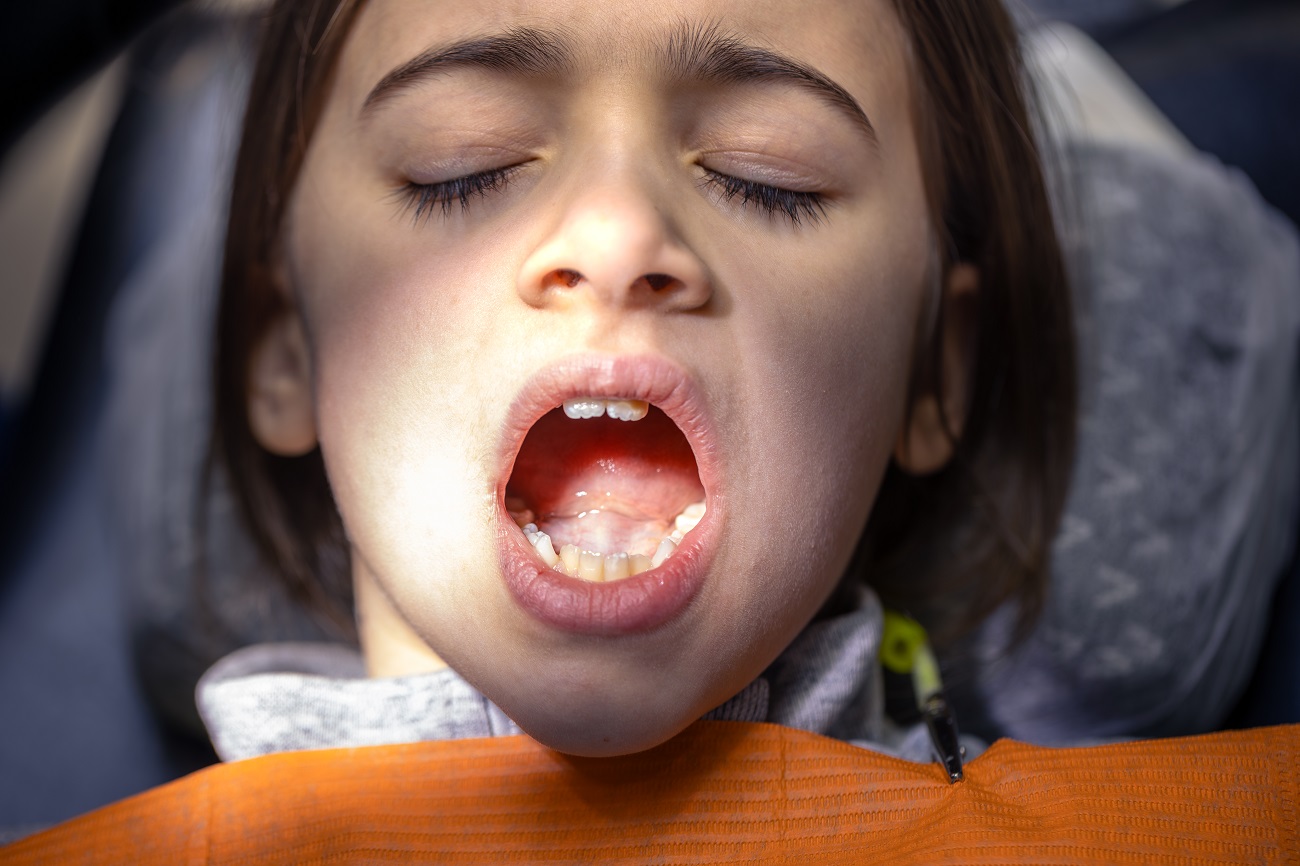
When a child refuses to sit in the dental chair, it is rarely about stubborn behavior. More often, it is fear, discomfort, or unfamiliarity with what will happen next. Many parents feel stressed in these moments, especially when they know their child may need treatment.
One common concern we hear from parents is related to frenectomy for babies, especially when feeding or oral discomfort is involved early in life. Understanding what is really going on inside your child’s experience is the first step toward helping them feel safe.
Why children resist the dental chair
Children are naturally sensitive to new environments. The dental chair, with its bright lights, unfamiliar sounds, and instruments, can feel overwhelming. Even if no pain is involved, anticipation alone can trigger resistance.
Some common reasons include:
- Fear of unknown tools or sounds
- Previous uncomfortable medical experiences
- Separation anxiety from parents
- Sensory overload in clinical settings
In some cases, underlying oral issues such as tongue or lip restrictions can also contribute to discomfort early in life, sometimes leading parents to explore frenectomy as a possible solution.
Understanding oral restrictions in infants
Oral restrictions occur when the tissue under the tongue or lip is too tight, limiting movement. This can affect feeding, latching, and later speech development.
We often see parents who are unsure whether their child’s feeding difficulties are behavioral or physical. In such cases, frenectomy for babies becomes an important clinical consideration after proper evaluation. A careful diagnosis is essential before deciding anything. Not every feeding challenge requires treatment, but when it does, early attention can make a meaningful difference in comfort and development.
We always begin with a gentle assessment to understand the root cause before recommending any intervention.
When dental fear overlaps with early oral issues
It may seem unrelated, but oral discomfort in infancy can influence how a child behaves later in the dental chair. A child who has experienced discomfort while feeding or oral handling may become more sensitive to anything near the mouth.
This is why discussions around frenectomy often extend beyond infancy. Parents sometimes notice that their child resists oral exams or becomes anxious during routine checkups.
At Kid Friendly Dentistry, we focus on understanding both emotional and physical factors together, rather than treating them separately. This helps us create a smoother experience for both the child and the parent.
Why early evaluation matters more than parents realize
Delaying evaluation of oral concerns can lead to long-term habits that are harder to correct later. Difficulty in feeding, poor oral hygiene tolerance, or strong dental anxiety may all develop if early signs are ignored.
In certain cases, frenectomy for babies is discussed as an early step to improve function and reduce feeding challenges. However, the decision is always based on a full clinical examination and not just symptoms alone.
We guide parents through each step carefully, ensuring they understand why a recommendation is made and what outcomes they can expect.
Helping children feel safe in the dental chair
A child who refuses the dental chair needs patience, not pressure. Forcing cooperation often increases fear and makes future visits more difficult.
Instead, we use a gradual comfort-building approach:
- Introducing the clinic environment slowly
- Allowing the child to explore instruments in a safe way
- Using simple, reassuring language
- Keeping parents involved throughout the visit
When needed, discussions about frenectomy for babies are handled in a calm and supportive manner so parents never feel rushed or confused.
We believe trust is built through consistency, not urgency. Every visit is paced according to the child’s comfort level.
The role of gentle pediatric care in long-term confidence
Children who have positive early dental experiences are more likely to maintain good oral health habits as they grow. This includes regular checkups, better brushing routines, and reduced fear of dental treatment.
When procedures like frenectomy for babies are required, timing and approach are carefully considered so that the child’s emotional well-being is not affected.
We also ensure that parents understand post-care expectations clearly, which helps reduce anxiety and improves recovery outcomes. We take pride in making early dental experiences calm and predictable, even when treatment is necessary.
Supporting parents through decision-making
One of the biggest challenges parents face is uncertainty. They often ask:
- Is this behavior normal?
- Does my child need treatment?
- Will my child cooperate?
These concerns are valid. That is why we prioritize clear communication and honest guidance.
In cases where frenectomy for babies is being considered, we explain both the benefits and the alternatives so parents can make informed decisions without pressure. Our approach is not just clinical; it is supportive and educational, helping families feel confident in every step.
Building trust through gentle expertise
Every child is different. Some adapt quickly to dental visits, while others need more time and reassurance. What matters most is not speed, but comfort.
At Kid Friendly Dentistry, we never rush a child into treatment. We focus on building familiarity first, especially when procedures such as frenectomy for babies are part of the discussion.
This approach helps reduce fear and ensures that treatment, when needed, is carried out smoothly and safely. We also work closely with parents to ensure they feel informed, involved, and reassured throughout the process.
Conclusion
A child refusing the dental chair is not a problem to fix; it is a signal to understand. Fear, discomfort, and early oral experiences all play a role in shaping how a child responds to dental care.
When concerns such as feeding difficulties arise, discussions around frenectomy for babies may become part of the conversation, but only after careful evaluation and understanding of the child’s needs.
With patience, gentle care, and the right approach, children can move from fear to comfort over time. And when families feel supported, even the most anxious dental visits become manageable and positive experiences.
